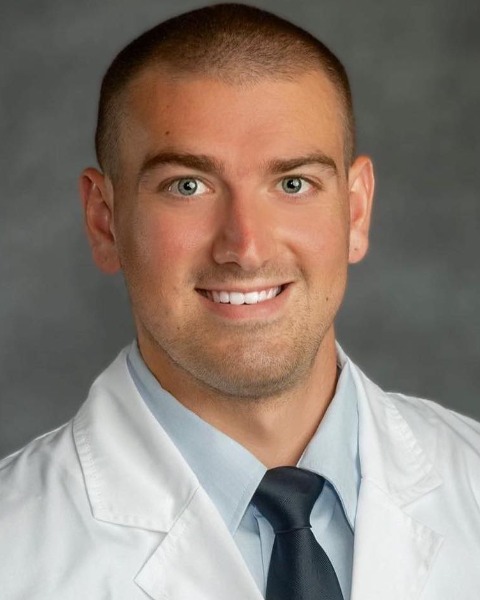
Flight Surgeon/Emergency Medicine United States Air Force, United States
Disclosure(s):
Randy Michael, DO, MS, Capt, USAF, MC, FS: No financial relationships to disclose
Session Description: This presentation explores the integration of wilderness and operational medicine through three complex rescue missions performed by the Air Force's 212th Rescue Squadron in Alaska. Highlighted cases include managing traumatic injuries from a bear mauling, airway challenges in a high-altitude fall, and the application of traction splinting for a femur fracture in subzero temperatures. Each scenario showcases the interplay between environmental conditions, limited resources, and advanced prehospital care, providing actionable insights for Special Operations Forces (SOF) and civilian prehospital providers.
This work addresses key challenges, such as managing severe trauma in austere environments, adapting wilderness techniques to operational medicine, and leveraging advanced skills like surgical airways and hypothermia prevention. It offers a framework to enhance training for prolonged casualty care, bridging gaps between wilderness and SOF medical practices.
This presentation includes a review of analgesic protocols, high-altitude cerebral edema management, and advancements in prolonged field care. The cases discussed aim to inspire innovation in prehospital rescue, emphasizing the role of preparation, adaptability, and environmental awareness in developing best practices for future missions.
Learning Objectives:
Describe the integration of wilderness medicine principles into operational environments, emphasizing their relevance in managing complex trauma cases in austere and extreme conditions.
Demonstrate the indications and application of advanced prehospital medical techniques, such as traction splinting, surgical airway management, and complex wound care, in challenging rescue scenarios.
Identify the unique challenges and solutions in planning and executing prolonged field care missions, including adapting resources and strategies for environmental constraints and patient needs.