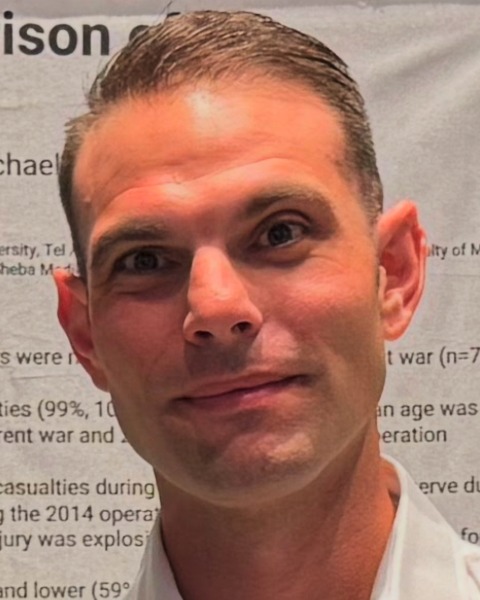
Eric O. Akrish, RN BSN CEN TCRN TMP: No relevant disclosure to display
Jeremy Kaswer, MAJ, MC, FS: No financial relationships to disclose
Session Description: The Ukraine conflict presents a unique, modern case study in large-scale combat operations (LSCO), highlighting the critical need for advanced military medical support in peer-to-peer combat scenarios. The role, challenges, and evolution of MedEvac and surgical teams over these last years emphasized the indispensable need, and innovative evolution, of combat trauma care. Adapting to the operational difficulties, strategic responses, and treatment advancements by military medical teams have been crucial in the Ukraine conflict. We discuss the critical medical advancements in LSCO in Ukraine by reviewing operational data, surgical interventions, and interviews with medical personnel from 2014 to present. Current Ukraine LSCO posed many challenges, from executing rapid medical evacuations in contested domains to ensuring timely surgical interventions under threat. Implementing UAVs and real-time communication platforms markedly optimized MedEvac missions. Embracing Forward Surgical Teams (FSTs) and Damage Control Surgery (DCS) directly at or near the frontline significantly bolstered casualty survival rates in peer-to-peer engagements. Cross-sector partnerships also accelerated the adoption of advanced medical practices and technologies, enriching the military medical landscape within LSCO contexts. These findings underscore the vital need for continuous innovation, research, and cross-training to spearhead advancements in combat casualty care, ultimately enhancing force resilience and effectiveness in peer-to-peer combat situations.
Learning Objectives:
Identify and understand the varied causes of improved casualty care in the Ukraine-Russo conflict.
Articulate multiple detrimental factors to current MEDEVAC capabilities in the Ukraine-Russo conflict and their impact on casualty survivability.
Comprehend and implement various adaptations that have resulted from the impacted MEDEVAC capabilities in Large Scale Combat Operations.